Introduction
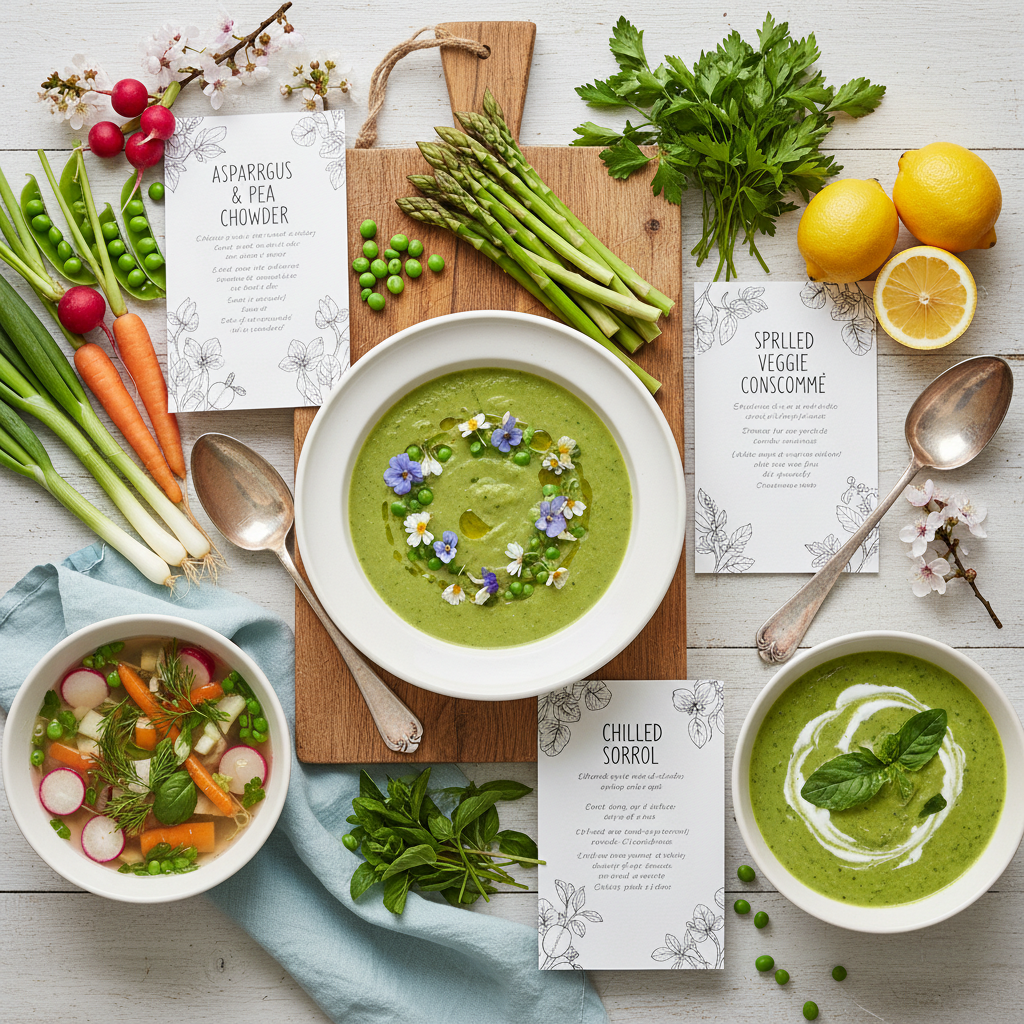
Wondering what to cook when the weather feels in-between and you crave something light yet cozy? Spring soup recipes are the kind of meals that quietly solve that problem, bringing fresh vegetables and gentle warmth into one bowl. They’re easy to put together, flexible with what you have, and perfect for busy evenings or slow family dinners. I often keep a pot simmering when the air still has a chill but the market is full of greens. These soups feel comforting without being heavy, making them ideal for everyday cooking while still feeling a little special.
Why You Will Love This Recipe
Looking for something simple that still feels homemade and satisfying? This spring soup recipe gives you exactly that with fresh flavors that don’t feel too rich or too plain. It’s the kind of dish you can make on a weeknight without stress, and it still tastes like you put real care into it.
Craving something flexible that works with what’s in your fridge? You can easily swap vegetables, adjust portions, or use leftovers without changing the heart of the recipe. That’s why so many people save spring soup recipes for later—they’re dependable, cozy, and easy to revisit.
Trying to stretch your grocery budget? This soup uses simple, affordable ingredients while still feeling fresh and nourishing. It also stores well, so you can enjoy it again the next day without extra effort.
Ingredients
Not sure which vegetables work best here? Go for fresh, tender spring vegetables like carrots, peas, and spinach—they cook quickly and keep the soup light.
- 2 tablespoons olive oil
- 1 medium onion, chopped
- 2 garlic cloves, minced
- 2 medium carrots, sliced
- 2 medium potatoes, diced
- 1 cup green peas (fresh or frozen)
- 2 cups fresh spinach, roughly chopped
- 1.5 liters vegetable broth
- 1 teaspoon salt (adjust to taste)
- ½ teaspoon black pepper
- 1 teaspoon dried herbs (like thyme or parsley)
For 2 people: simply halve all ingredients.
For more than 4: double or increase gradually, keeping broth slightly higher for balance.
Instructions
Step 1: Preparation (40 words)
Need to get everything ready without stress? Start by washing and chopping all vegetables into small, even pieces so they cook at the same pace. If cooking for two, prepare half quantities; for larger groups, prep extra vegetables accordingly.
Step 2: Main Cooking Process (40 words)
Not sure when flavors begin to build? Heat olive oil in a large pot, add onion and garlic, and cook until soft and lightly golden. Stir in carrots and potatoes, letting them cook for a few minutes until slightly tender.
Step 3: Combining Ingredients (40 words)
Wondering when to bring everything together? Pour in the vegetable broth and add salt, pepper, and herbs. Let the soup simmer gently until the vegetables soften. If making more servings, allow extra simmer time so everything cooks evenly.
Step 4: Finishing & Final Simmer (40 words)
Unsure when the soup is ready to finish? Add peas and spinach near the end, cooking just until they turn bright and tender. Taste and adjust seasoning before turning off the heat. Smaller portions cook faster, so check earlier if halving.
Why This Recipe Works for Busy Days
Short on time but still want something homemade? This soup comes together in one pot with simple steps and minimal cleanup. You can prep ingredients ahead or cook a bigger batch to save for later. It reheats well, making it perfect for those days when you just want something ready without starting from scratch.
Tips & Tricks
- Wondering why your soup tastes flat sometimes? Always sauté onions and garlic properly before adding broth, as this builds the base flavor. If cooking for two, don’t rush this step—it matters just as much. For larger batches, give it a bit more time.
- Not sure how to avoid mushy vegetables? Add softer vegetables like spinach and peas at the end. When scaling up, keep an eye on cooking time so everything stays tender, not overcooked. Smaller batches may need less simmer time.
- Thinking your soup is too thick or too thin? Adjust by adding more broth or letting it simmer longer. If cooking for more than four people, keep extra broth handy. For two servings, reduce liquid slightly to maintain balance.
- Worried about seasoning going off? Taste at the end and adjust slowly. Larger portions often need a bit more salt and herbs, while smaller portions can become too salty quickly if you’re not careful.
Variations
Meaty Version
Want something more filling? Add shredded chicken or small meat pieces after sautéing onions. Let them cook before adding broth for deeper flavor. If cooking for two, use a small portion of meat; for larger servings, increase gradually without overpowering the vegetables.
Vegetarian Option
Trying to keep it plant-based? Stick with vegetable broth and add beans like white beans for extra protein. They make the soup more satisfying without changing the light feel. Adjust bean quantity based on how many people you’re serving.
Ingredient Swap
Missing a few vegetables? You can easily swap potatoes for sweet potatoes or peas for green beans. This keeps the soup flexible and seasonal. When scaling, just maintain similar total vegetable amounts so the texture stays balanced.
Flavor Boost
Want a brighter taste? Add fresh herbs like parsley or a squeeze of lemon at the end. This lifts the whole dish. For bigger batches, increase herbs gently to avoid overpowering, and for smaller servings, keep it light.
Serving Suggestions
- With Crusty Bread
Looking for a simple pairing? Serve the soup with warm bread for dipping. It makes the meal feel complete without extra effort. For two people, one small loaf works well, while larger groups may need more for sharing. - Light Lunch Bowl
Want something quick during the day? Serve in smaller bowls with a sprinkle of herbs on top. It feels fresh and easy. You can adjust portion sizes easily depending on how many people are eating. - With Rice or Grains
Need a more filling option? Add cooked rice or grains directly into the soup before serving. This stretches the meal for bigger families or gatherings while still keeping the flavors balanced. - Family Dinner Style
Planning a cozy dinner? Serve the soup in a large pot at the table so everyone can help themselves. It works well for both small families and larger groups by simply adjusting how much you prepare.
Storage Instructions
- Fridge Storage
Wondering how long it stays fresh? Store the soup in an airtight container in the fridge for up to 3 days. For smaller portions, use smaller containers so it cools evenly. Larger batches should be divided before storing. - Reheating
Not sure how to reheat without losing flavor? Warm the soup on the stove over low heat, stirring occasionally. Add a splash of water or broth if it thickens. Smaller portions heat quickly, while larger ones need gentle reheating. - Freezing
Thinking about saving it longer? Let the soup cool completely, then freeze in portions. This makes it easy to thaw only what you need. For families, freezing in medium portions works best for flexible use. - Make-Ahead Tips
Want to prep early? Chop vegetables and store them in the fridge a day ahead. You can also cook the full soup and reheat later. Adjust portion sizes before storing so it’s ready to use without extra steps.
Recipe Timing
Prep Time: 15 minutes
Cook Time: 25 minutes
Rest Time: Not needed
Total Time: 40 minutes
Nutrition Information (Approximate)
Curious about what’s in each bowl? Each serving has around 150–200 calories, with 4–6 grams of protein. It also provides fiber from vegetables and vitamins like vitamin A and C. Values are estimates and may vary depending on ingredients and portion sizes.
FAQs
Can I make this ahead of time?
Yes, it tastes even better the next day. Store in the fridge and reheat when needed.
Why are my vegetables too soft?
They may have cooked too long. Add delicate vegetables later and check earlier for smaller portions.
Can I use chicken broth instead?
Yes, it adds a deeper flavor. Adjust seasoning accordingly.
How do I make the soup thicker?
Let it simmer longer or mash a few potatoes in the pot.
Can I store leftovers easily?
Yes, divide into portions for easy storage and reheating.
How can I adjust the flavor?
Add herbs, lemon, or a pinch of salt gradually until it tastes right.
Conclusion
Feeling stuck between wanting something fresh and something comforting? Spring soup recipes bring the best of both worlds into your kitchen without making things complicated. You can adjust the ingredients, portion sizes, and flavors based on what you need, which makes this recipe easy to return to again and again. It’s the kind of meal that fits into real life—busy days, quiet evenings, or family dinners. Once you try it, you’ll likely keep it as a go-to option whenever you want something simple, warm, and satisfying.
Recipe Card
Spring Soup Recipes
4
servings15
minutes25
minutes150–200
kcalA light, cozy vegetable soup made with fresh spring ingredients. Easy to cook, flexible for any day, and perfect for family meals.
Ingredients
2 tablespoons olive oil
1 medium onion, chopped
2 garlic cloves, minced
2 medium carrots, sliced
2 medium potatoes, diced
1 cup green peas
2 cups spinach
1.5 liters vegetable broth
1 teaspoon salt
½ teaspoon black pepper
1 teaspoon dried herbs
Directions
- Wash and chop all vegetables into small pieces.
- Heat oil in a pot, cook onion and garlic until soft.
- Add carrots and potatoes, cook for a few minutes.
- Pour in broth, add salt, pepper, and herbs. Simmer until vegetables are soft.
- Add peas and spinach at the end, cook briefly.
- Taste, adjust seasoning, and serve warm.
Leave a Reply