Author: admin

  • Pink Sprite

    Pink Sprite

    Introduction

    Looking for a fun drink that feels a little special but takes almost no effort? Pink sprite is a light, fizzy drink with a soft fruity twist that instantly brightens any table. It’s the kind of thing I like to mix up on a warm afternoon or when guests drop by unexpectedly. The color alone makes it feel cheerful, and the taste is refreshing without being too sweet. You only need a few simple ingredients, and everything comes together in minutes. It works just as well for family dinners as it does for relaxed weekend treats.

    Why You Will Love This Recipe

    Want something quick that still feels homemade and thoughtful? This drink is one of those easy wins you’ll keep coming back to. Pink sprite is budget-friendly, uses simple store ingredients, and comes together in no time. It’s perfect for busy evenings when you don’t want to spend extra effort but still want something refreshing on the table.

    It’s also very flexible—you can adjust the sweetness, the color, or even add extra fruit depending on what you have. Leftovers can stay chilled for later, and it’s easy to make a smaller batch for two or a bigger jug for guests. The light fizz and fruity touch make it a cozy, crowd-pleasing option that feels just right for everyday moments.

    Ingredients

    Tip: Use chilled soda for the best fizz and refreshing taste.

    • 4 cups lemon-lime soda (cold)
    • 1 cup cranberry juice or strawberry syrup
    • 1 tablespoon fresh lemon juice
    • 1 cup ice cubes
    • ½ cup sliced strawberries (optional)
    • ½ cup raspberries (optional)

    For 2 people: simply halve all ingredients.
    For more than 4: double or adjust as needed, keeping the same ratios.

    Instructions

    Step 1: Preparation –
    Need a quick start without making a mess? Gather all your ingredients and chill them well. Slice the strawberries if using, and keep your glasses ready with ice. Cold ingredients help the drink stay fizzy longer and taste more refreshing.

    Step 2: Main Cooking Process –
    Want the best flavor balance right away? In a large jug, pour the lemon-lime soda slowly to keep the bubbles. Add cranberry juice or syrup gently, letting it settle naturally without stirring too fast so the fizz stays lively.

    Step 3: Combining Ingredients –
    Trying to get that pretty pink color just right? Add lemon juice and lightly stir once or twice. Drop in the sliced fruits for extra flavor. If making for two, use a smaller jug; for larger servings, mix in batches to keep freshness.

    Step 4: Finishing & Final Simmer – 40 words
    Worried about losing the fizz before serving? Pour immediately into ice-filled glasses and serve fresh. Let it sit just a minute so flavors blend, but not too long. For bigger groups, prepare just before serving to keep the bubbles lively.

    Why This Recipe Works for Busy Days

    Need something fast that still feels thoughtful? This drink comes together in minutes with no cooking or cleanup stress. You can prep ingredients ahead and mix when needed. It’s perfect for saving time while still offering something refreshing and homemade later in the day.

    Tips & Tricks

    • Wondering why your drink goes flat quickly? Always pour soda last and avoid over-stirring. Gentle mixing keeps the bubbles fresh. If making a smaller batch for two, mix directly in glasses. For larger groups, prepare in small batches instead of one big jug.
    • Trying to get the perfect pink shade? Start with less juice and add more slowly. Some juices are stronger in color than others. For fewer servings, measure carefully to avoid overpowering flavor. For more people, taste as you scale up.
    • Want extra freshness without extra work? Use frozen berries instead of ice cubes. They keep the drink cold without watering it down. For two people, a small handful works well. For larger servings, add more just before serving.
    • Not sure about sweetness level? Taste before serving and adjust with a splash of lemon juice or extra soda. Smaller portions are easier to control, while larger batches may need slight adjustments to keep flavors balanced.

    Variations

    Meaty Version
    Looking to pair this drink with something hearty? While the drink itself stays light, you can serve it alongside grilled chicken or kebabs for a fuller meal feel. For smaller servings, keep the drink simple. For larger gatherings, add extra fruit for a festive touch.

    Vegetarian Option
    Want to keep things fully plant-based and light? This drink already fits perfectly into a vegetarian lifestyle. Add fresh mint leaves or cucumber slices for a garden-fresh twist. For two people, just a few leaves work well; for more, increase gently without overpowering.

    Ingredient Swap
    Don’t have cranberry juice on hand? You can use pomegranate juice or even a mild berry syrup. Each gives a slightly different color and taste. When making for fewer people, test small amounts first. For larger batches, keep the same ratio for balance.

    Flavor Boost
    Want to make the flavor a bit more exciting? Add a splash of orange juice or a pinch of grated ginger for a subtle kick. For smaller servings, go light so it doesn’t overpower. For bigger groups, mix gradually and taste as you go.

    Serving Suggestions

    • Chilled Glasses
      Want your drink to feel extra refreshing? Serve in chilled glasses with plenty of ice. This keeps the pink sprite crisp and cool. For two people, use smaller glasses. For gatherings, use larger serving glasses to keep refills easy and smooth.
    • With Light Snacks
      Thinking about a simple pairing? Serve with light snacks like crackers, sandwiches, or fruit platters. The drink balances well with mild flavors. For smaller servings, keep snacks minimal. For larger groups, arrange a small snack table for easy serving.
    • Party Style Pitcher
      Hosting friends at home? Pour into a clear pitcher with floating fruits for a pretty look. It makes the drink feel more special without extra effort. For two, a small jug works fine; for more people, refill in batches to keep it fresh.
    • Outdoor Refreshment
      Planning a relaxed outdoor moment? Serve this drink during picnics or garden time. It stays light and refreshing in warm weather. For small servings, pack a bottle. For larger groups, carry ingredients separately and mix fresh on the spot.

    Storage Instructions

    • Fridge Storage
      Wondering if you can store leftovers? Keep the drink in a covered jug in the fridge for up to one day. The fizz will reduce slightly over time. Smaller portions hold better, while larger batches may lose bubbles faster.
    • Reheating
      Thinking about reheating? This drink is best served cold and should not be reheated. If it loses its fizz, add a splash of fresh soda before serving again. For smaller servings, refresh directly in the glass.
    • Freezing
      Want to freeze it for later? It’s better to freeze the juice portion only, not the soda. Thaw and mix fresh with soda when needed. For two servings, freeze in small containers. For more, use larger batches but mix fresh each time.
    • Make-Ahead Tips
      Trying to prepare ahead of time? Mix the juice and fruit first and store in the fridge. Add soda just before serving to keep it fizzy. For small servings, prepare in cups. For larger gatherings, keep base ready and mix fresh.

    Recipe Timing

    Prep Time: 10 minutes
    Cook Time: 0 minutes
    Rest Time: 2 minutes
    Total Time: 12 minutes

    Nutrition Information (Approximate)

    Wondering what you’re drinking? Each serving has about 90–120 calories depending on the juice used. Protein is minimal, around 0–1g. It may provide small amounts of vitamin C from lemon and fruit. Values are estimates and may vary by ingredients and portion size.

    FAQs

    Can I make this ahead of time?
    Yes, prepare the juice base early and add soda just before serving.

    Why did my drink lose its fizz?
    Over-stirring or early mixing can reduce bubbles. Always mix gently and serve fresh.

    Can I use a different juice?
    Yes, pomegranate or berry juice works well. Adjust to taste for small or large batches.

    Why is my drink too strong?
    Add more soda to balance. Smaller servings are easier to adjust quickly.

    How long can I store it?
    Up to one day in the fridge, but best enjoyed fresh.

    Can I make it less sweet?
    Yes, add more lemon juice or reduce syrup for better balance.

    Conclusion

    Looking for a simple way to brighten your day? Pink sprite is one of those easy recipes that brings a little joy without extra effort. You can adjust it based on what you have, make it for a quiet evening, or scale it up for guests. It’s light, refreshing, and flexible enough to fit into everyday life. Once you try it, you’ll likely keep it in your go-to list for quick drinks. Whether it’s a warm afternoon or a cozy family moment, this drink always feels like a good idea.

    Recipe Card

    Pink Sprite

    Recipe by adminCourse: recipe
    Servings

    4

    servings
    Prep time

    10

    minutes
    Cooking timeminutes
    Calories

    90–120

    kcal

    Ingredients

    • 4 cups lemon-lime soda (cold)

    • 1 cup cranberry juice or strawberry syrup

    • 1 tablespoon fresh lemon juice

    • 1 cup ice cubes

    • ½ cup sliced strawberries (optional)

    • For 2 people: use half of each ingredient.

    • For more than 4: double ingredients as needed.

    Directions

    • Gather all ingredients and chill them well. Slice fruits if using and prepare glasses with ice.
    • Pour soda slowly into a jug, then gently add cranberry juice or syrup.
    • Add lemon juice and stir lightly. Add fruits if using.
    • Pour into glasses and serve immediately for best fizz and taste.


  • Spring Cookies

    Spring Cookies

    Introduction

    Want a soft, colorful treat that feels like spring in every bite? These spring cookies are the kind of simple homemade dessert that brings comfort without effort. They’re light, slightly sweet, and perfect for tea time, school snacks, or a cozy evening at home. You don’t need fancy tools or bakery skills to make them, just a bowl and a little time in the kitchen. I often bake them when I want something quick but still special for family. They smell warm, buttery, and fresh, like a gentle reminder of the season changing outside the window.

    Why You Will Love This Recipe

    Looking for a cookie recipe that feels easy but still looks beautiful on the table? These spring cookies are soft, lightly crisp on the edges, and simple enough for beginners. They don’t require complicated steps or expensive ingredients, which makes them perfect for everyday baking. You can enjoy them fresh or store them for later, and they still taste lovely. They also work well for lunchboxes, guests, or quiet evening cravings. The dough is flexible, so you can adjust sweetness or add colors and flavors without stress. This is one of those recipes you’ll want to save for repeat baking.

    Ingredients

    Want the best texture for soft cookies that don’t spread too much? Always use room-temperature butter for a smoother dough.

    • 1 cup unsalted butter (softened)
    • 3/4 cup sugar
    • 1 large egg
    • 2 cups all-purpose flour
    • 1/2 teaspoon baking powder
    • 1/4 teaspoon salt
    • 1 teaspoon vanilla extract
    • Optional: food coloring or sprinkles for a spring look

    For 2 people, simply cut all ingredients in half. For more than 4 people, double the ingredients while keeping baking time nearly the same.

    Instructions

    Step 1: Preparation (40 words)
    Want cookies that bake evenly without cracks? Start by preheating your oven to 180°C. Line a baking tray with parchment paper. In a bowl, cream butter and sugar until soft and fluffy. This base decides how tender your cookies will turn out.

    Step 2: Main Cooking Process (40 words)
    Wondering how to build the perfect cookie dough texture? Add the egg and vanilla, mixing until smooth. Slowly add flour, baking powder, and salt. Stir gently until a soft dough forms. If doubling or halving, mix slowly to keep consistency balanced.

    Step 3: Combining Ingredients (40 words)
    Want your cookies to look extra pretty and spring-like? Divide dough into small portions. Add food coloring if you like soft pastel shades. Roll into balls and slightly flatten them. Keep spacing between each cookie so they bake evenly and don’t stick.

    Step 4: Finishing & Final Simmer (40 words)
    Not sure when your cookies are perfectly baked? Bake for 10–12 minutes until edges are light golden. Let them rest on the tray before moving. If making larger batches, bake in separate rounds to maintain even heat and soft texture.

    Why This Recipe Works for Busy Days

    Need a quick sweet recipe when time is tight? These spring cookies are perfect because the dough comes together fast and bakes in under 15 minutes. You can prepare them ahead, freeze the dough, or bake small batches whenever needed. They stay fresh for days, making them great for planning snacks or unexpected guests.

    Tips & Tricks

    • Want smoother cookies without cracks? Always use softened butter, not melted. Cold butter makes dough stiff, while melted butter spreads too much. If scaling for fewer people, still keep the same mixing method for best texture.
    • Worried about dry cookies? Don’t overmix after adding flour. Mix just until combined. Overmixing makes cookies hard. For larger batches, mix in smaller portions to keep dough soft and evenly blended.
    • Want consistent size? Use a small scoop for even portions. This helps all cookies bake at the same speed. If making half batch, still scoop carefully to avoid uneven baking results.
    • Thinking of changing sweetness? Adjust sugar slightly, but don’t reduce too much. Sugar helps texture too. For big batches, taste-test a small dough piece before baking full tray.

    Variations

    • Want a richer taste version? Add small white chocolate chunks or milk chocolate chips into the dough. It makes the cookies slightly sweeter and more indulgent, while still keeping the soft spring feel. This works well for both small and large batches.
    • Looking for a vegetarian-friendly twist? Replace egg with mashed banana or yogurt. The texture becomes slightly softer but still delicious. Adjust flour slightly if dough feels sticky, especially when scaling for more servings.
    • Need a simple ingredient swap? Replace vanilla with almond extract for a light nutty flavor. Even a small amount changes the aroma. Works great when making half or double batches without changing baking time.
    • Want more flavor depth? Add lemon zest or orange zest into the dough. It gives a fresh spring aroma and light tang. This variation is perfect for larger gatherings where you want something refreshing.

    Serving Suggestions

    • Want a cozy tea-time setup? Serve these spring cookies with hot tea or coffee. Arrange them on a simple plate with fresh fruit for a soft, relaxing snack moment. Works well for both small and large family servings.
    • Looking for a kids’ snack idea? Pack cookies in lunchboxes with a small juice box. Their soft texture makes them easy for children. You can double the batch for school weeks or reduce for small households.
    • Need a dessert table option? Place cookies alongside cakes or puddings. Their light flavor balances heavier desserts. Adjust quantity depending on guest count to keep everything fresh and balanced.
    • Want a simple gift idea? Pack cookies in small jars or boxes tied with ribbon. Homemade treats feel special, especially when made in larger batches for sharing.

    Storage Instructions

    • Want to keep cookies fresh for days? Store them in an airtight container at room temperature for up to 5 days. If making larger batches, separate layers with parchment paper to prevent sticking.
    • Wondering how to reheat without drying them? Warm cookies for 5–8 seconds in the microwave. This brings back softness. Avoid overheating, especially for smaller portions, to keep texture intact.
    • Can you freeze them for later use? Yes, freeze baked cookies or raw dough balls for up to 2 months. For big batches, freeze in portions so you can bake only what you need.
    • Want to prep ahead for busy days? Make dough a day before and refrigerate. This helps flavors develop. For smaller households, prepare half dough and store separately.

    Recipe Timing

    Can you plan your baking time easily for spring cookies? Preparation takes about 15 minutes, cooking around 12 minutes per batch, and no resting time is needed. Total time is roughly 30–35 minutes depending on batch size and oven space.

    Nutrition Information (Approximate)

    Want to know what you’re enjoying in each bite of spring cookies? Each serving has around 160–200 calories, 2–3g protein, and provides carbohydrates and fats from flour and butter. These values are estimates and may change based on ingredients, portion size, or added toppings.

    FAQs

    Can I make these cookies ahead of time?
    Wondering if spring cookies can be prepared in advance? Yes, you can prepare the dough a day before and store it in the fridge. You can also freeze dough balls and bake them fresh whenever needed for small or large batches.

    What is the most common mistake?
    Worried about cookies turning too hard? The most common mistake is overbaking or overmixing the dough. Keep mixing gentle and remove cookies when edges are just light golden for soft texture.

    Can I replace any ingredient?
    Thinking about ingredient swaps? Yes, you can replace vanilla with almond extract or egg with yogurt. Just adjust flour slightly if dough becomes too soft, especially when scaling recipes.

    Why are my cookies too flat or too thick?
    Wondering about texture problems? Flat cookies usually mean butter was too warm, while thick cookies mean too much flour. Adjust carefully depending on batch size for balanced results.

    How should I store leftovers?
    Not sure how to keep cookies fresh? Store them in airtight containers. For larger batches, layer with parchment paper to avoid sticking and maintain softness longer.

    Can I adjust the sweetness?
    Want less or more sweetness? Yes, you can slightly reduce sugar or add more depending on taste. Just avoid extreme changes, as sugar also affects texture and structure.

    Conclusion

    Want a recipe that feels simple but still special every time you bake? These spring cookies bring softness, light sweetness, and a comforting homemade touch to your kitchen. You can easily adjust them for small or large batches, change flavors, or keep them classic. They fit perfectly into busy days, quiet evenings, or family moments. Once you bake them, you’ll likely find yourself making them again and again because they are easy, flexible, and satisfying. Save this spring cookies recipe for your next baking day and enjoy the warmth it brings straight from your oven.

    Recipe Card

    Spring Cookies

    Recipe by admin
    Servings

    4

    servings
    Prep time

    15

    minutes
    Cooking time

    12

    minutes
    Calories

    30–35

    kcal

    Soft, buttery cookies with a light sweetness and a gentle spring feel. Easy to make, perfect for snacks, tea time, or sharing with family. A simple homemade treat that works for any day.

    Ingredients

    • 30–35

    • 3/4 cup sugar

    • 1 large egg

    • 2 cups all-purpose flour

    • 1/2 tsp baking powder

    • 1/4 tsp salt

    • 1 tsp vanilla extract

    • Optional: food coloring or sprinkles

    • (For 2 people, halve all ingredients. For more than 4, double ingredients.)

    Directions

    • Preheat oven to 180°C and line baking tray. Cream butter and sugar until fluffy.
    • Add egg and vanilla, mix well.
    • Add dry ingredients and form soft dough.
    • Shape cookies, flatten slightly, and place on tray.
    • Bake 10–12 minutes until edges are lightly golden.
    • Cool before serving.

  • Spring Dinners

    Spring Dinners

    Introduction

    Looking for a dinner that feels light but still fills everyone up after a long day? Spring meals are all about fresh flavors that don’t feel heavy on the stomach. Spring dinners are perfect when you want something comforting yet bright on the table.

    This one-pan style spring dinner brings together tender chicken, seasonal vegetables, and a gentle lemon-herb sauce that feels naturally refreshing. I usually cook it when evenings are busy but I still want something homemade instead of takeout. It’s simple, colorful, and fits perfectly into weeknight routines without stress or complicated steps.

    Why You Will Love This Recipe

    Tired of dinners that feel too heavy for warmer evenings? This recipe keeps things light while still feeling satisfying and cozy. It’s the kind of meal you’ll want to save for later because it fits so many situations—busy weekdays, relaxed family dinners, or even when guests show up unexpectedly.

    Spring dinners like this one are loved for their flexibility. You can easily adjust the vegetables based on what you have, and leftovers taste even better the next day. It’s budget-friendly, uses simple ingredients, and doesn’t require special cooking skills.

    Do you often struggle with meals that take too long to clean up? This is a one-pan style dish, which means less mess and more time to relax after eating. It also scales easily, so you can cook for two people or double it for a larger family without stress.

    Ingredients

    Do you wonder which chicken cut works best for a juicy and tender result? Boneless chicken thighs are ideal because they stay soft and flavorful during cooking.

    • 600g boneless chicken thighs (for 4 people; use 300g for 2 people or 1.2kg for larger groups)
    • 2 tbsp olive oil
    • 3 garlic cloves, minced
    • 1 medium onion, sliced
    • 1 cup asparagus, chopped
    • 1 cup baby carrots, sliced
    • 1 cup cherry tomatoes, halved
    • 1 lemon (juice + zest)
    • 1 tsp dried thyme
    • 1 tsp dried oregano
    • Salt and black pepper to taste
    • 1/2 cup chicken broth

    Instructions

    Step 1: Preparation

    Looking for an easy way to start without feeling overwhelmed? Cut all vegetables into similar sizes so they cook evenly. If cooking for fewer people, simply reduce everything by half. For larger groups, prep in a wider pan to avoid overcrowding.

    Step 2: Main Cooking Process

    Wondering how to build flavor quickly in one pan? Heat olive oil and cook chicken until lightly golden on both sides. Don’t rush this step, as browning adds depth. For smaller portions, reduce cooking time slightly to avoid drying the chicken.

    Step 3: Combining Ingredients

    Not sure when to add vegetables so they stay fresh? Add onions, garlic, and harder vegetables first, then softer ones like tomatoes later. Stir gently so nothing breaks. If cooking for more people, add ingredients in batches for even cooking.

    Step 4: Finishing & Final Simmer

    Curious how to get that fresh spring flavor? Pour in lemon juice, zest, and broth, then let everything simmer until sauce lightly thickens. For smaller portions, simmer a bit faster. For larger meals, extend simmer time slightly for full flavor.

    Why This Recipe Works for Busy Days

    Struggling to cook something fresh when time is short? This dish works because everything comes together in one pan with minimal effort. You don’t need complicated steps or long preparation. It also stores well, making it perfect for next-day lunches. Spring dinners like this one are ideal for meal prep since flavors deepen overnight, saving you time on the busiest evenings.

    Tips & Tricks

    • Wondering how to avoid dry chicken every time? Always cook chicken on medium heat and don’t overcrowd the pan. This ensures even browning. If cooking for fewer people, use a smaller pan; for more servings, cook in batches so meat stays juicy instead of steaming.
    • Thinking vegetables turn too soft sometimes? Add them in stages based on hardness. Hard vegetables first, soft ones later. If scaling down, reduce cooking time slightly; for larger portions, give vegetables extra space so they roast instead of steaming.
    • Not sure how to balance flavor properly? Always taste before finishing and adjust salt or lemon at the end. Smaller batches need less seasoning, while larger portions may need a bit more layering of flavor for balance.
    • Worried about meal prep going wrong? Store sauce separately if possible for best texture. For two people, reduce liquid slightly; for bigger groups, increase broth so everything stays moist when reheated.

    Variations

    • Want a richer meaty version for bigger appetites? Add sliced chicken sausage or turkey pieces along with chicken. It blends well with vegetables and makes the dish heartier. For smaller servings, simply skip the extra meat while keeping the same flavor balance.
    • Looking for a vegetarian-friendly option? Replace chicken with chickpeas or tofu cubes. They soak up the lemon-herb flavor beautifully. Cooking time stays almost the same, but reduce simmering slightly for softer texture in smaller portions.
    • Need a simple ingredient swap? No asparagus? Use green beans or zucchini instead. Carrots can also be replaced with bell peppers. Adjust quantities depending on how many people you are serving to keep everything evenly balanced.
    • Want more flavor depth without extra effort? Add fresh basil or rosemary at the end. It lifts the dish instantly. For smaller meals, use a pinch; for larger gatherings, add herbs gradually to avoid overpowering the balance.

    Serving Suggestions

    • Want a light family-style dinner idea? Serve this dish over fluffy rice or couscous. It soaks up the lemon sauce beautifully and makes a complete meal. For smaller groups, plate individually; for larger families, serve in a big shared dish.
    • Looking for something extra cozy on the side? Pair with warm garlic bread or soft dinner rolls. It adds comfort without making the meal heavy. Adjust portions depending on how many people are at the table.
    • Want a fresh spring-inspired plate? Serve alongside a simple green salad with olive oil dressing. It keeps the meal bright and refreshing, especially for warm evenings or when cooking for guests.
    • Planning a casual dinner gathering? Add roasted potatoes or baked wedges for a more filling spread. You can easily double everything for a crowd or scale down for a quiet two-person dinner.

    Storage Instructions

    • Wondering how long leftovers stay fresh? Store in an airtight container in the fridge for up to 3 days. Keep portions separated for easier reheating, especially if you cooked a larger batch for a family meal.
    • Not sure how to reheat without drying it out? Warm gently on the stove with a splash of broth or water. For smaller portions, heat quickly on low flame; for larger servings, stir occasionally for even warmth.
    • Thinking about freezing for later use? Freeze in portions for up to 2 months. Leave space in containers so sauce doesn’t expand too much. For two-person meals, freeze smaller boxes for quicker thawing.
    • Want to prep ahead for busy nights? Chop vegetables and marinate chicken a day before. Store separately in the fridge so everything stays fresh. This works especially well if you plan to cook spring dinners in larger batches later.

    Recipe Timing

    Prep Time: 15 minutes
    Cook Time: 25 minutes
    Rest Time: 5 minutes
    Total Time: 45 minutes

    Nutrition Information (Approximate)

    Each serving contains about 320–380 calories, depending on exact ingredients. Protein ranges between 25–30g per serving. This dish also provides vitamin C from lemon and vegetables, plus fiber from fresh produce. Values are estimates and may change based on portion size or substitutions.

    FAQs

    Can I make this ahead of time?
    Yes, you can prepare everything a day before and cook when needed. Vegetables may soften slightly but flavor stays fresh.

    What is the most common mistake in this recipe?
    Overcooking chicken or adding all vegetables at once. This can make texture uneven and less enjoyable.

    Can I replace chicken with something else?
    Yes, tofu, chickpeas, or fish work well. Adjust cooking time depending on protein choice.

    Why is my sauce too thin?
    Let it simmer longer uncovered or reduce broth slightly next time for thicker consistency.

    How do I store leftovers properly?
    Use airtight containers and refrigerate within two hours of cooking for best freshness.

    How can I make it more flavorful?
    Add fresh herbs or a little extra lemon juice at the end to brighten the taste.

    Conclusion

    Looking for a meal that feels simple but still special enough for everyday cooking? This dish shows how easy it can be to bring fresh flavors to your table without extra effort. You can adjust it for two people or scale it up for family gatherings, making it truly flexible for any routine. Spring dinners like this are perfect for relaxed evenings when you want something homemade but not complicated. Once you try it, you’ll likely keep coming back to it in different variations, depending on what’s in your kitchen and how your day feels.

    Recipe Card

    Spring Dinners

    Recipe by admin
    Servings

    4

    servings
    Prep time

    15

    minutes
    Cooking time

    25

    minutes
    Calories

    320–380

    kcal

    A light and comforting one-pan spring dinner made with chicken, fresh vegetables, and a lemon-herb sauce. Simple, fresh, and perfect for busy evenings or cozy family meals.

    Ingredients

    • 600g boneless chicken thighs

    • 2 tbsp olive oil

    • 3 garlic cloves

    • 1 onion

    • 1 cup asparagus

    • 1 cup carrots

    • 1 cup cherry tomatoes

    • 1 lemon

    • 1 tsp thyme

    • 1 tsp oregano

    • Salt and pepper

    • 1/2 cup chicken broth

    Directions

    • Chop all vegetables evenly for balanced cooking.
    • Brown chicken in olive oil until lightly golden.
    • Add onions, garlic, and vegetables in stages.
    • Pour lemon juice and broth, then simmer until tender and flavorful.
    • For 2 people, simply halve ingredients. For larger groups, double everything and cook in batches for best texture.

  • Spring Soup Recipes

    Spring Soup Recipes

    Introduction

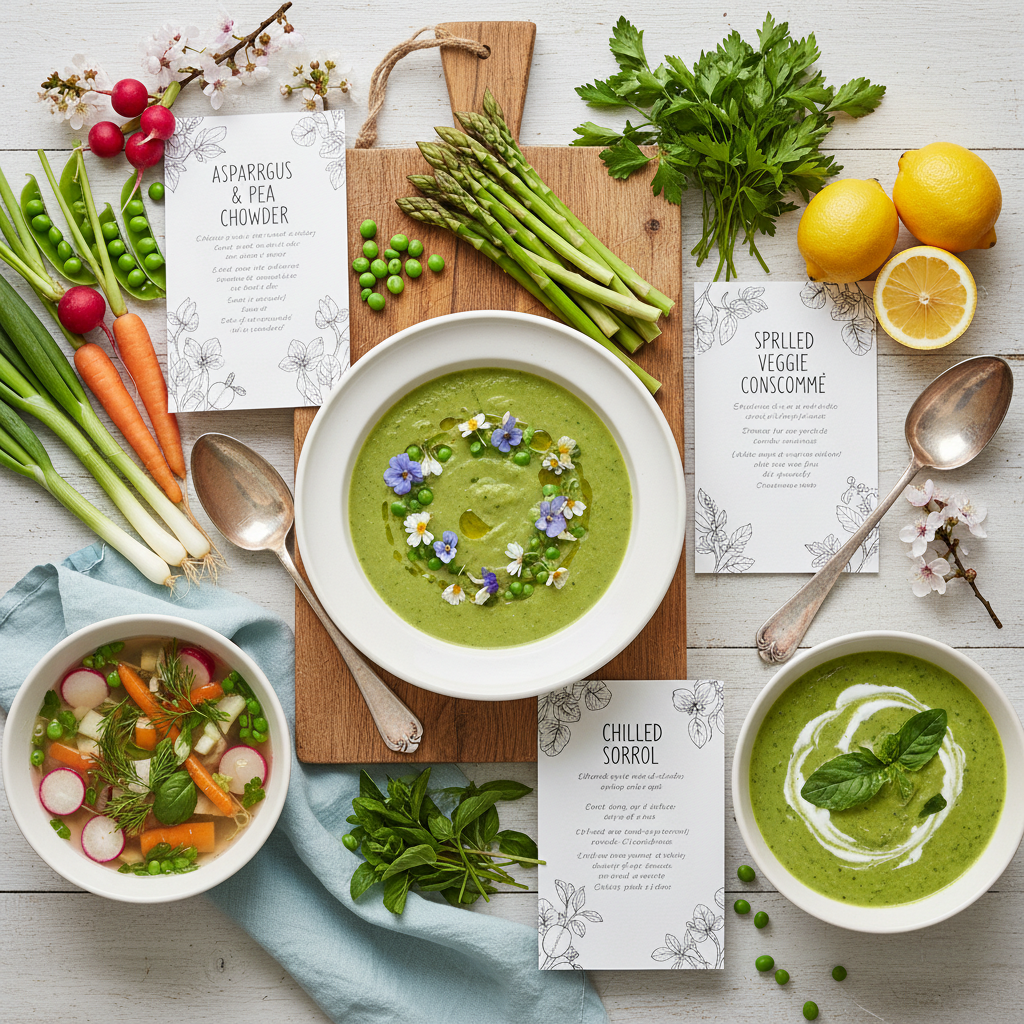
    Wondering what to cook when the weather feels in-between and you crave something light yet cozy? Spring soup recipes are the kind of meals that quietly solve that problem, bringing fresh vegetables and gentle warmth into one bowl. They’re easy to put together, flexible with what you have, and perfect for busy evenings or slow family dinners. I often keep a pot simmering when the air still has a chill but the market is full of greens. These soups feel comforting without being heavy, making them ideal for everyday cooking while still feeling a little special.

    Why You Will Love This Recipe

    Looking for something simple that still feels homemade and satisfying? This spring soup recipe gives you exactly that with fresh flavors that don’t feel too rich or too plain. It’s the kind of dish you can make on a weeknight without stress, and it still tastes like you put real care into it.

    Craving something flexible that works with what’s in your fridge? You can easily swap vegetables, adjust portions, or use leftovers without changing the heart of the recipe. That’s why so many people save spring soup recipes for later—they’re dependable, cozy, and easy to revisit.

    Trying to stretch your grocery budget? This soup uses simple, affordable ingredients while still feeling fresh and nourishing. It also stores well, so you can enjoy it again the next day without extra effort.

    Ingredients

    Not sure which vegetables work best here? Go for fresh, tender spring vegetables like carrots, peas, and spinach—they cook quickly and keep the soup light.

    • 2 tablespoons olive oil
    • 1 medium onion, chopped
    • 2 garlic cloves, minced
    • 2 medium carrots, sliced
    • 2 medium potatoes, diced
    • 1 cup green peas (fresh or frozen)
    • 2 cups fresh spinach, roughly chopped
    • 1.5 liters vegetable broth
    • 1 teaspoon salt (adjust to taste)
    • ½ teaspoon black pepper
    • 1 teaspoon dried herbs (like thyme or parsley)

    For 2 people: simply halve all ingredients.
    For more than 4: double or increase gradually, keeping broth slightly higher for balance.

    Instructions

    Step 1: Preparation (40 words)
    Need to get everything ready without stress? Start by washing and chopping all vegetables into small, even pieces so they cook at the same pace. If cooking for two, prepare half quantities; for larger groups, prep extra vegetables accordingly.

    Step 2: Main Cooking Process (40 words)
    Not sure when flavors begin to build? Heat olive oil in a large pot, add onion and garlic, and cook until soft and lightly golden. Stir in carrots and potatoes, letting them cook for a few minutes until slightly tender.

    Step 3: Combining Ingredients (40 words)
    Wondering when to bring everything together? Pour in the vegetable broth and add salt, pepper, and herbs. Let the soup simmer gently until the vegetables soften. If making more servings, allow extra simmer time so everything cooks evenly.

    Step 4: Finishing & Final Simmer (40 words)
    Unsure when the soup is ready to finish? Add peas and spinach near the end, cooking just until they turn bright and tender. Taste and adjust seasoning before turning off the heat. Smaller portions cook faster, so check earlier if halving.

    Why This Recipe Works for Busy Days

    Short on time but still want something homemade? This soup comes together in one pot with simple steps and minimal cleanup. You can prep ingredients ahead or cook a bigger batch to save for later. It reheats well, making it perfect for those days when you just want something ready without starting from scratch.

    Tips & Tricks

    • Wondering why your soup tastes flat sometimes? Always sauté onions and garlic properly before adding broth, as this builds the base flavor. If cooking for two, don’t rush this step—it matters just as much. For larger batches, give it a bit more time.
    • Not sure how to avoid mushy vegetables? Add softer vegetables like spinach and peas at the end. When scaling up, keep an eye on cooking time so everything stays tender, not overcooked. Smaller batches may need less simmer time.
    • Thinking your soup is too thick or too thin? Adjust by adding more broth or letting it simmer longer. If cooking for more than four people, keep extra broth handy. For two servings, reduce liquid slightly to maintain balance.
    • Worried about seasoning going off? Taste at the end and adjust slowly. Larger portions often need a bit more salt and herbs, while smaller portions can become too salty quickly if you’re not careful.

    Variations

    Meaty Version
    Want something more filling? Add shredded chicken or small meat pieces after sautéing onions. Let them cook before adding broth for deeper flavor. If cooking for two, use a small portion of meat; for larger servings, increase gradually without overpowering the vegetables.

    Vegetarian Option
    Trying to keep it plant-based? Stick with vegetable broth and add beans like white beans for extra protein. They make the soup more satisfying without changing the light feel. Adjust bean quantity based on how many people you’re serving.

    Ingredient Swap
    Missing a few vegetables? You can easily swap potatoes for sweet potatoes or peas for green beans. This keeps the soup flexible and seasonal. When scaling, just maintain similar total vegetable amounts so the texture stays balanced.

    Flavor Boost
    Want a brighter taste? Add fresh herbs like parsley or a squeeze of lemon at the end. This lifts the whole dish. For bigger batches, increase herbs gently to avoid overpowering, and for smaller servings, keep it light.

    Serving Suggestions

    • With Crusty Bread
      Looking for a simple pairing? Serve the soup with warm bread for dipping. It makes the meal feel complete without extra effort. For two people, one small loaf works well, while larger groups may need more for sharing.
    • Light Lunch Bowl
      Want something quick during the day? Serve in smaller bowls with a sprinkle of herbs on top. It feels fresh and easy. You can adjust portion sizes easily depending on how many people are eating.
    • With Rice or Grains
      Need a more filling option? Add cooked rice or grains directly into the soup before serving. This stretches the meal for bigger families or gatherings while still keeping the flavors balanced.
    • Family Dinner Style
      Planning a cozy dinner? Serve the soup in a large pot at the table so everyone can help themselves. It works well for both small families and larger groups by simply adjusting how much you prepare.

    Storage Instructions

    • Fridge Storage
      Wondering how long it stays fresh? Store the soup in an airtight container in the fridge for up to 3 days. For smaller portions, use smaller containers so it cools evenly. Larger batches should be divided before storing.
    • Reheating
      Not sure how to reheat without losing flavor? Warm the soup on the stove over low heat, stirring occasionally. Add a splash of water or broth if it thickens. Smaller portions heat quickly, while larger ones need gentle reheating.
    • Freezing
      Thinking about saving it longer? Let the soup cool completely, then freeze in portions. This makes it easy to thaw only what you need. For families, freezing in medium portions works best for flexible use.
    • Make-Ahead Tips
      Want to prep early? Chop vegetables and store them in the fridge a day ahead. You can also cook the full soup and reheat later. Adjust portion sizes before storing so it’s ready to use without extra steps.

    Recipe Timing

    Prep Time: 15 minutes
    Cook Time: 25 minutes
    Rest Time: Not needed
    Total Time: 40 minutes

    Nutrition Information (Approximate)

    Curious about what’s in each bowl? Each serving has around 150–200 calories, with 4–6 grams of protein. It also provides fiber from vegetables and vitamins like vitamin A and C. Values are estimates and may vary depending on ingredients and portion sizes.

    FAQs

    Can I make this ahead of time?
    Yes, it tastes even better the next day. Store in the fridge and reheat when needed.

    Why are my vegetables too soft?
    They may have cooked too long. Add delicate vegetables later and check earlier for smaller portions.

    Can I use chicken broth instead?
    Yes, it adds a deeper flavor. Adjust seasoning accordingly.

    How do I make the soup thicker?
    Let it simmer longer or mash a few potatoes in the pot.

    Can I store leftovers easily?
    Yes, divide into portions for easy storage and reheating.

    How can I adjust the flavor?
    Add herbs, lemon, or a pinch of salt gradually until it tastes right.

    Conclusion

    Feeling stuck between wanting something fresh and something comforting? Spring soup recipes bring the best of both worlds into your kitchen without making things complicated. You can adjust the ingredients, portion sizes, and flavors based on what you need, which makes this recipe easy to return to again and again. It’s the kind of meal that fits into real life—busy days, quiet evenings, or family dinners. Once you try it, you’ll likely keep it as a go-to option whenever you want something simple, warm, and satisfying.

    Recipe Card

    Spring Soup Recipes

    Recipe by admin
    Servings

    4

    servings
    Prep time

    15

    minutes
    Cooking time

    25

    minutes
    Calories

    150–200

    kcal

    A light, cozy vegetable soup made with fresh spring ingredients. Easy to cook, flexible for any day, and perfect for family meals.

    Ingredients

    • 2 tablespoons olive oil

    • 1 medium onion, chopped

    • 2 garlic cloves, minced

    • 2 medium carrots, sliced

    • 2 medium potatoes, diced

    • 1 cup green peas

    • 2 cups spinach

    • 1.5 liters vegetable broth

    • 1 teaspoon salt

    • ½ teaspoon black pepper

    • 1 teaspoon dried herbs

    Directions

    • Wash and chop all vegetables into small pieces.
    • Heat oil in a pot, cook onion and garlic until soft.
    • Add carrots and potatoes, cook for a few minutes.
    • Pour in broth, add salt, pepper, and herbs. Simmer until vegetables are soft.
    • Add peas and spinach at the end, cook briefly.
    • Taste, adjust seasoning, and serve warm.

  • Easy Spring Dinner Recipes

    Easy Spring Dinner Recipes

    Introduction

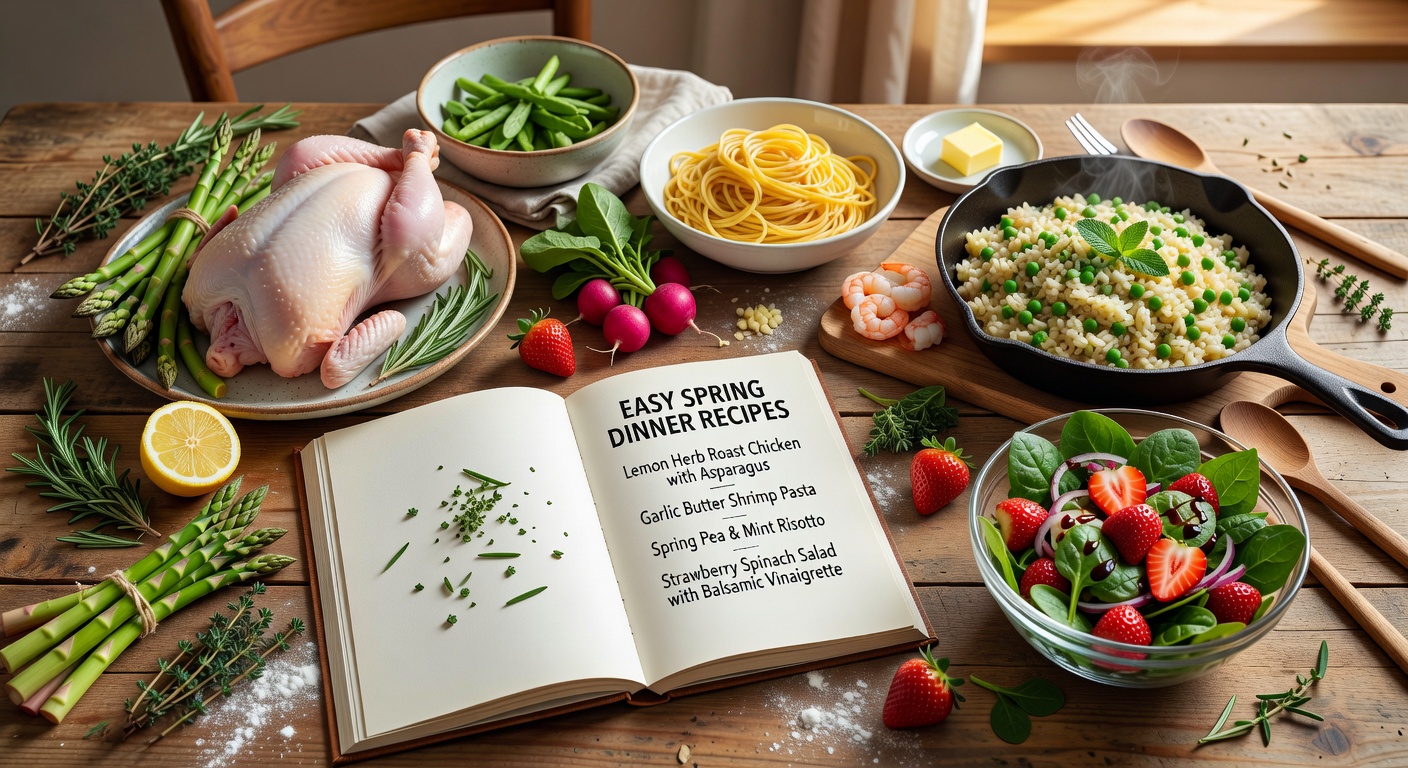
    Feeling tired after a long day but still want something fresh and homemade? Easy spring dinner recipes are all about light, comforting meals that don’t take over your evening. With simple ingredients and quick steps, these dishes bring seasonal freshness right to your table. I often lean on this kind of meal when I want something satisfying without spending hours in the kitchen. It’s perfect for busy weeknights, relaxed family dinners, or even those slightly chilly spring evenings when you still want something warm but not too heavy.

    Why You Will Love This Recipe

    Looking for something that feels homemade but doesn’t demand too much effort? This dish hits that sweet spot between comfort and simplicity. The flavors are fresh yet cozy, making it ideal for spring evenings when you want something lighter but still filling. It’s a weeknight-friendly option that doesn’t require fancy ingredients or complicated steps.

    You’ll love how flexible it is—you can adjust ingredients based on what you already have, making it budget-friendly and stress-free. It also stores well, so leftovers can be enjoyed the next day without losing flavor. If you enjoy meals that are easy to prepare, comforting to eat, and simple to adjust, this is one of those easy spring dinner recipes worth saving.

    Ingredients

    Not sure which vegetables work best for spring meals? Fresh, tender vegetables like zucchini and carrots give the best flavor and texture.

    • 2 cups cooked pasta (any type)
    • 2 tablespoons olive oil
    • 2 cloves garlic, minced
    • 1 medium zucchini, sliced
    • 1 cup cherry tomatoes, halved
    • 1 medium carrot, thinly sliced
    • 1/2 cup green peas
    • 1/2 cup cream
    • 1/3 cup grated cheese
    • Salt to taste
    • Black pepper to taste
    • 1 teaspoon dried herbs (oregano or basil)

    For 2 people: simply halve all ingredients.
    For more than 4 people: double ingredients gradually and adjust seasoning to taste.

    Instructions

    Step 1: Preparation

    Wondering how to start without making a mess of your kitchen? Begin by washing and chopping all vegetables into even pieces so they cook evenly. Cook the pasta according to package instructions until soft but slightly firm, then drain and set aside while you prepare the rest.

    Step 2: Main Cooking Process

    Concerned about overcooking vegetables? Heat olive oil in a large pan over medium heat, then add garlic and cook until fragrant. Toss in zucchini, carrots, and peas, stirring gently until they soften but still hold their shape and bright color.

    Step 3: Combining Ingredients

    Not sure when to bring everything together? Add the cooked pasta into the pan with vegetables, then pour in cream and sprinkle cheese. Stir slowly so everything gets coated, and the sauce begins to thicken while blending the flavors.

    Step 4: Finishing & Final Simmer

    Worried about getting the right texture? Let the mixture simmer for a few minutes until the sauce looks creamy and slightly thick. Add salt, pepper, and herbs, then taste and adjust. For smaller portions, reduce simmer time slightly; for larger batches, allow a bit more time.

    Why This Recipe Works for Busy Days

    Don’t have time to cook something complicated after work? This recipe comes together quickly with minimal prep and simple steps. It’s easy to make ahead and reheat later without losing its texture. You can also prep the vegetables earlier in the day, making dinner feel effortless when you’re ready to cook.

    Tips & Tricks

    • Struggling with soggy vegetables? Cook them on medium heat and avoid overcrowding the pan so they stay slightly crisp. If making for 2 people, use a smaller pan to keep heat even. For larger portions, cook vegetables in batches to maintain texture.
    • Not sure how to balance the sauce? Add cream gradually instead of all at once to control thickness. If cooking for fewer people, use less liquid to avoid a watery result. For bigger servings, increase cream slowly and stir often to keep it smooth.
    • Worried about bland flavor? Season in layers—add a little salt during cooking and adjust at the end. For smaller portions, taste early since flavors concentrate faster. For larger batches, seasoning may need a final boost before serving.
    • Having trouble with pasta sticking together? Toss it lightly with a bit of oil after draining. If making less, stir gently to avoid breaking it. For bigger portions, keep pasta slightly undercooked so it holds up when mixed with sauce.

    Variations

    • Meaty Version
      Want something more filling? Add cooked chicken pieces or minced meat to the dish while sautéing vegetables. It makes the meal heartier without changing the overall flavor. For 2 people, use a small portion of meat; for larger servings, increase gradually so it blends well with the sauce.
    • Vegetarian Option
      Trying to keep things fully plant-based? Replace cream with a plant-based alternative and skip cheese or use a dairy-free version. The vegetables still shine, and the dish stays light and fresh. Adjust portions the same way depending on how many people you’re serving.
    • Ingredient Swap
      Don’t have the exact vegetables on hand? Swap zucchini or carrots with bell peppers, spinach, or broccoli. This recipe is flexible and works with what’s in your fridge. For smaller portions, mix fewer vegetables; for bigger batches, add variety for more texture.
    • Flavor Boost
      Want a stronger taste without extra effort? Add fresh herbs like parsley or a squeeze of lemon juice at the end. It brightens the dish instantly. For 2 servings, use a small amount to avoid overpowering; for larger portions, increase herbs slightly for balance.

    Serving Suggestions

    • With Fresh Salad
      Looking to keep the meal light? Serve this pasta with a simple green salad on the side. The freshness balances the creamy texture. For smaller servings, keep the salad portion light; for larger groups, prepare a bigger bowl to share easily.
    • With Grilled Protein
      Need something more filling for dinner? Pair it with grilled chicken or fish for extra protein. This works well for family meals. For 2 people, one protein portion is enough; for more guests, cook additional servings accordingly.
    • Family-Style Serving
      Want a cozy dinner feel? Serve everything in one large bowl at the center of the table. It makes the meal feel warm and inviting. Adjust portion sizes easily depending on how many people are sharing the dish.
    • With Bread on the Side
      Craving something comforting? Add warm bread to scoop up the creamy sauce. It’s simple but satisfying. For smaller meals, use fewer slices; for larger groups, serve a full basket so everyone can enjoy.

    Storage Instructions

    • Fridge Storage
      Worried about leftovers going to waste? Store the pasta in an airtight container in the fridge for up to 3 days. For smaller portions, use compact containers to keep freshness. For larger batches, divide into portions so it cools evenly and stays safe to eat.
    • Reheating
      Concerned about drying it out? Reheat gently on the stove or in the microwave with a splash of milk or water. Stir halfway through to keep it creamy. Smaller portions heat faster, while larger ones may need extra time and stirring.
    • Freezing
      Thinking about saving it longer? You can freeze it, but the texture may change slightly due to the cream. Store in freezer-safe containers for up to 1 month. Freeze in small portions for easy reheating or larger batches for family meals.
    • Make-Ahead Tips
      Want to prepare dinner earlier in the day? Chop vegetables and cook pasta ahead of time, then combine everything when ready to eat. For smaller servings, prep just what you need; for bigger meals, prep in batches to save time later.

    Recipe Timing

    Prep Time: 15 minutes
    Cook Time: 20 minutes
    Rest Time: 5 minutes
    Total Time: 40 minutes

    Nutrition Information (Approximate)

    Trying to keep track of what you’re eating? Each serving has around 350–450 calories, with 10–15g of protein. It also provides fiber from vegetables and calcium from cheese. These values are estimates and may vary depending on ingredient choices and portion sizes.

    FAQs

    Can I make this ahead of time?
    Yes, prepare everything and store separately, then combine and heat when ready.

    What’s a common mistake?
    Overcooking vegetables makes them too soft—keep them slightly firm.

    Can I swap the cream?
    Yes, use milk or plant-based cream as needed.

    Why is my sauce too thick?
    Add a splash of water or milk and stir gently.

    How should I store leftovers?
    Keep in the fridge in a sealed container for up to 3 days.

    How can I adjust flavor?
    Add more herbs, salt, or a bit of lemon juice to brighten it.

    Conclusion

    Need a simple dinner that still feels fresh and comforting? This is exactly the kind of meal you’ll come back to again and again. It’s flexible, easy to adjust, and works for both small dinners and bigger family meals. With minimal effort, you get something warm, satisfying, and perfect for spring evenings. These easy spring dinner recipes are all about making cooking feel relaxed instead of rushed, so you can enjoy your meal without stress and maybe even save some for tomorrow.

    Recipe Card

    Easy Spring Dinner Recipes

    Recipe by admin
    Servings

    4

    servings
    Prep time

    15

    minutes
    Cooking time

    20

    minutes
    Calories

    350–450

    kcal

    Ingredients

    • 2 cups cooked pasta

    • 2 tablespoons olive oil

    • 2 cloves garlic, minced

    • 1 zucchini, sliced

    • 1 cup cherry tomatoes

    • 1 carrot, sliced

    • 1/2 cup green peas

    • 1/2 cup cream

    • 1/3 cup cheese

    • Salt to taste

    • Black pepper to taste

    • 1 teaspoon dried herbs

    Directions

    • Cook pasta and set aside. Chop all vegetables into small pieces.
    • Heat oil, cook garlic, then add vegetables and cook until slightly soft.
    • Add pasta, cream, and cheese. Stir gently until combined.
    • Simmer for a few minutes, season, and serve warm.

  • Hello world!

    Welcome to WordPress. This is your first post. Edit or delete it, then start writing!